Ayurveda for Knee Pain Treatment: A Comprehensive Guide to Holistic Healing
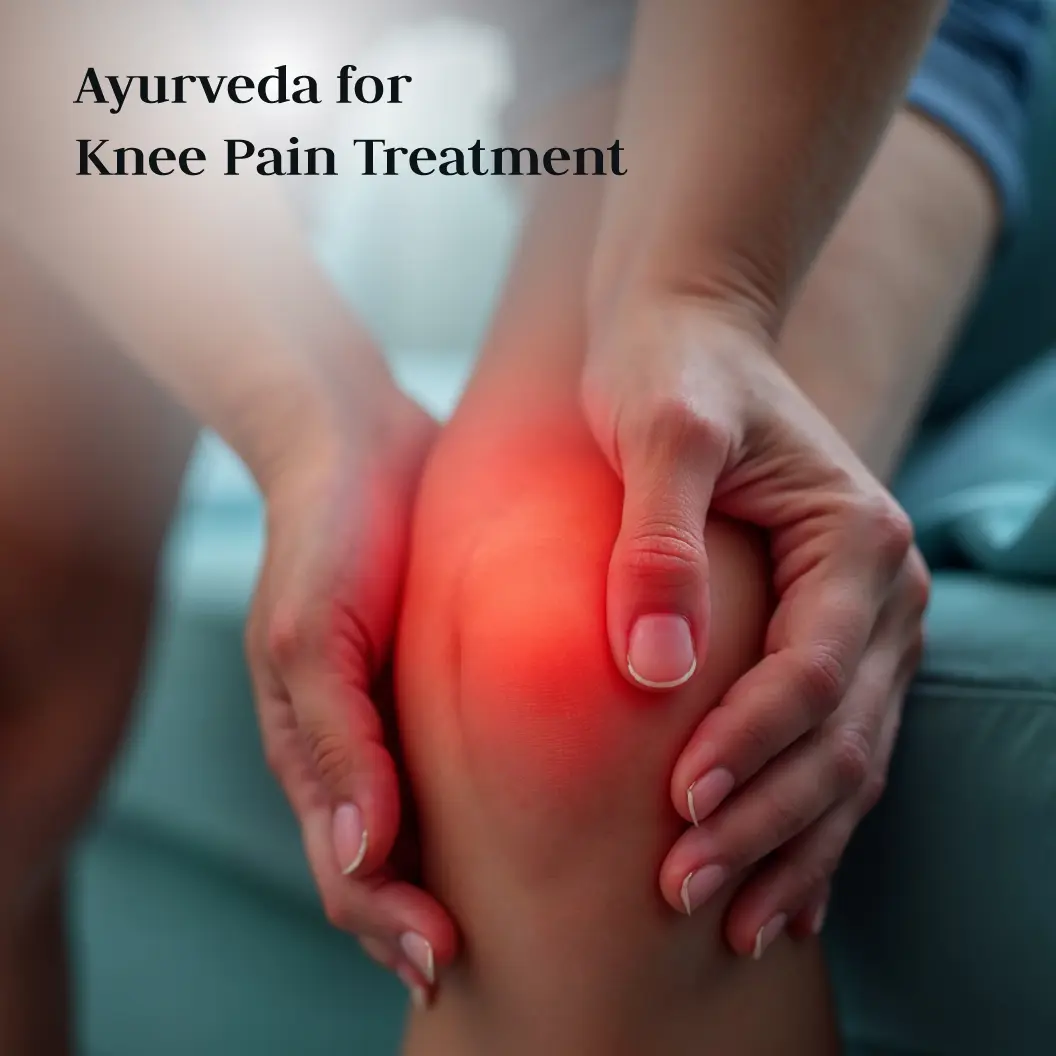
Knee pain is a prevalent health issue affecting millions of individuals worldwide. While conventional medicine offers various treatments like painkillers, surgeries and physical therapies, many people are now turning towards Ayurveda, an ancient healing system, for a more holistic and long-term solution. Ayurveda's knee pain treatment focuses on addressing the root cause of the problem rather than simply managing the symptoms, using a combination of therapies, diet modifications and lifestyle changes. Aarogyamantra Integrated Healing, a trusted center in Ayurveda-based wellness, brings this time-honored knowledge into modern practice, offering effective and sustainable relief for those suffering from knee pain.
Understanding Knee Pain in Ayurveda
In Ayurveda, knee pain is primarily attributed to an imbalance in the body’s three doshas—Vata, Pitta and Kapha, which govern various physiological and psychological processes. Specifically, knee pain is often linked to Vata dosha imbalances. Vata, the energy responsible for movement and circulation, can become aggravated due to factors such as aging, improper diet, excessive physical strain, or mental stress. When Vata dosha is out of balance, it leads to dryness, stiffness and pain in the joints, including the knees.
Additionally, Kapha dosha can play a role, particularly when there is fluid retention or swelling in the joints, while Pitta dosha might contribute when inflammation and heat are involved. Ayurveda takes a personalized approach to healing by diagnosing the patient’s unique dosha constitution and designing a treatment plan tailored to restore balance.
Causes of Knee Pain According to Ayurveda
Knee pain can stem from various causes, both external and internal. Ayurveda identifies some of the most common contributors:
1.Age-Related Degeneration: As we age, the body’s natural lubrication decreases, leading to conditions like osteoarthritis. The deterioration of cartilage results in increased friction and pain, often worsened by the drying effect of an aggravated Vata dosha.
2.Injuries: Physical trauma to the knee, whether through sports, accidents, or falls, can lead to lingering pain if the joint does not heal properly. Injuries may also trigger an imbalance in Pitta dosha, causing inflammation.
3.Poor Diet and Lifestyle: Consuming foods that aggravate Vata or Kapha dosha, such as cold, dry and processed foods, along with a sedentary lifestyle, can weaken the bones and joints. Inadequate nutrition and lack of movement further exacerbate joint pain.
4. Obesity: Excess weight puts undue pressure on the knees, contributing to joint wear and tear. This is particularly associated with aggravated Kapha dosha, which can lead to fluid accumulation and stiffness in the knee.
5. Rheumatoid Arthritis: This autoimmune condition is linked to an aggravated Vata dosha and causes swelling, pain and stiffness in the knees.
Ayurveda provides a multi-dimensional treatment strategy to address these causes holistically.
Ayurvedic Approach to Treating Knee Pain
The Ayurvedic approach to treating knee pain is a combination of detoxification (Shodhana), pacification of dosha imbalances (Shamana), rejuvenation (Rasayana) and lifestyle adjustments. Aarogyamantra Integrated Healing incorporates various therapies and treatments to provide effective and long-lasting results.
1. Panchakarma Therapies: Detoxification
Panchakarma is a comprehensive detoxification procedure in Ayurveda that helps remove toxins (Ama) from the body, which accumulate due to poor digestion and lifestyle habits.
Detoxifying the body is the first step in alleviating knee pain, as it clears blockages and restores the balance of doshas.
- Virechana (Purgation Therapy): This therapy helps to cleanse the digestive system and liver, removing Pitta-related toxins and reducing inflammation in the body. This, in turn, alleviates pain and stiffness in the joints.
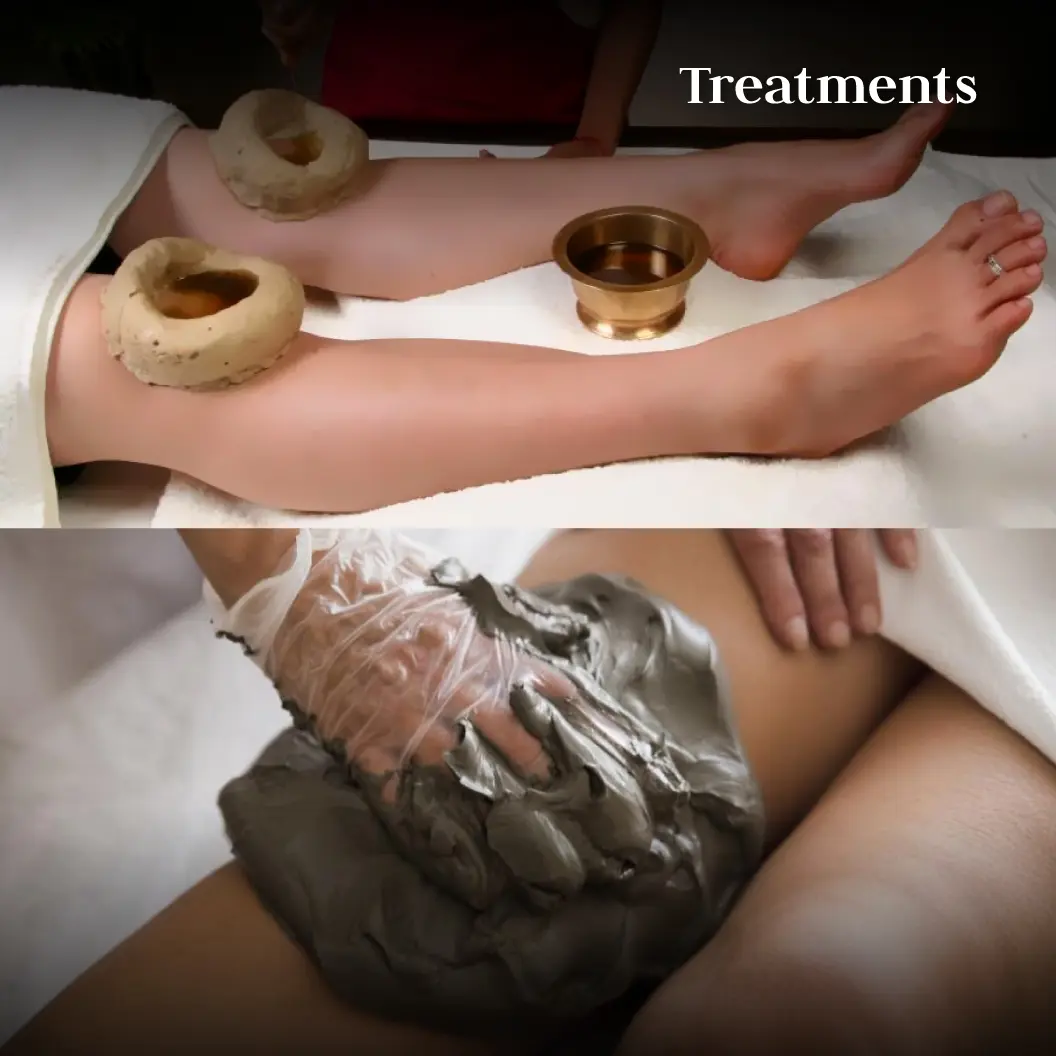
- Janu Vasti (Oil Pooling Therapy): Considered highly effective for Knee disorders, Janu Basti is pain relieving, oil pooling therapy indicated for inflammation and to nourish the joints, reduce stiffness and improve mobility.
- Abhyanga (Therapeutic Oil Massage): A full-body massage using warm medicated oils helps to reduce Vata imbalances by nourishing the body’s tissues. It enhances circulation, relieves stiffness and eases knee pain.
- Nadi Swedana (Herbal Localized Steam Therapy): This treatment involves the application of steam infused with medicinal herbs to help open pores, soften stiff muscles and improve blood circulation. It’s particularly effective for joint pain due to Kapha and Vata imbalances.
- Upanaham (Herbal Knee Bandaging): A warm herbal paste is thickly applied over the knee. Herbal leaves are placed over the paste and the bandaged with cotton cloth. Helps to relieve pain and severe inflammation of knee.
2. Diet and Lifestyle Modifications
In Ayurveda, diet is a key element in healing, particularly for conditions like knee pain. Aarogyamantra Integrated Healing emphasizes the importance of a Vata-pacifying diet, which includes:
- Warm, moist foods: Soups, stews and herbal teas help in pacifying Vata dosha and improving digestion.
- Healthy fats: Including ghee, sesame oil and other nourishing fats helps in lubricating the joints and reducing dryness.
- Herbs and spices: Ginger, turmeric, cumin and fenugreek are excellent for improving digestion and reducing inflammation.
Equally important are lifestyle practices like maintaining a healthy weight, avoiding cold environments and practicing stress management techniques. Simple exercises like gentle yoga and stretching can help improve mobility without overstraining the knees.
3. Yoga and Physical Therapy
Yoga and physical therapy play a significant role in Ayurvedic knee pain management. Certain yoga asanas (poses) help strengthen the muscles around the knee and improve joint flexibility:
- Vrikshasana (Tree Pose): Helps in improving balance and strengthening the knees.
- Virabhadrasana (Warrior Pose): Strengthens the legs and improves circulation to the knees.
- Pawanmuktasana (Wind-Relieving Pose): Aids in releasing tension from the joints and improving flexibility.
Regular practice of these asanas, along with breathing exercises (Pranayama), can support joint health and reduce knee pain.
4. Naturopathic Therapies
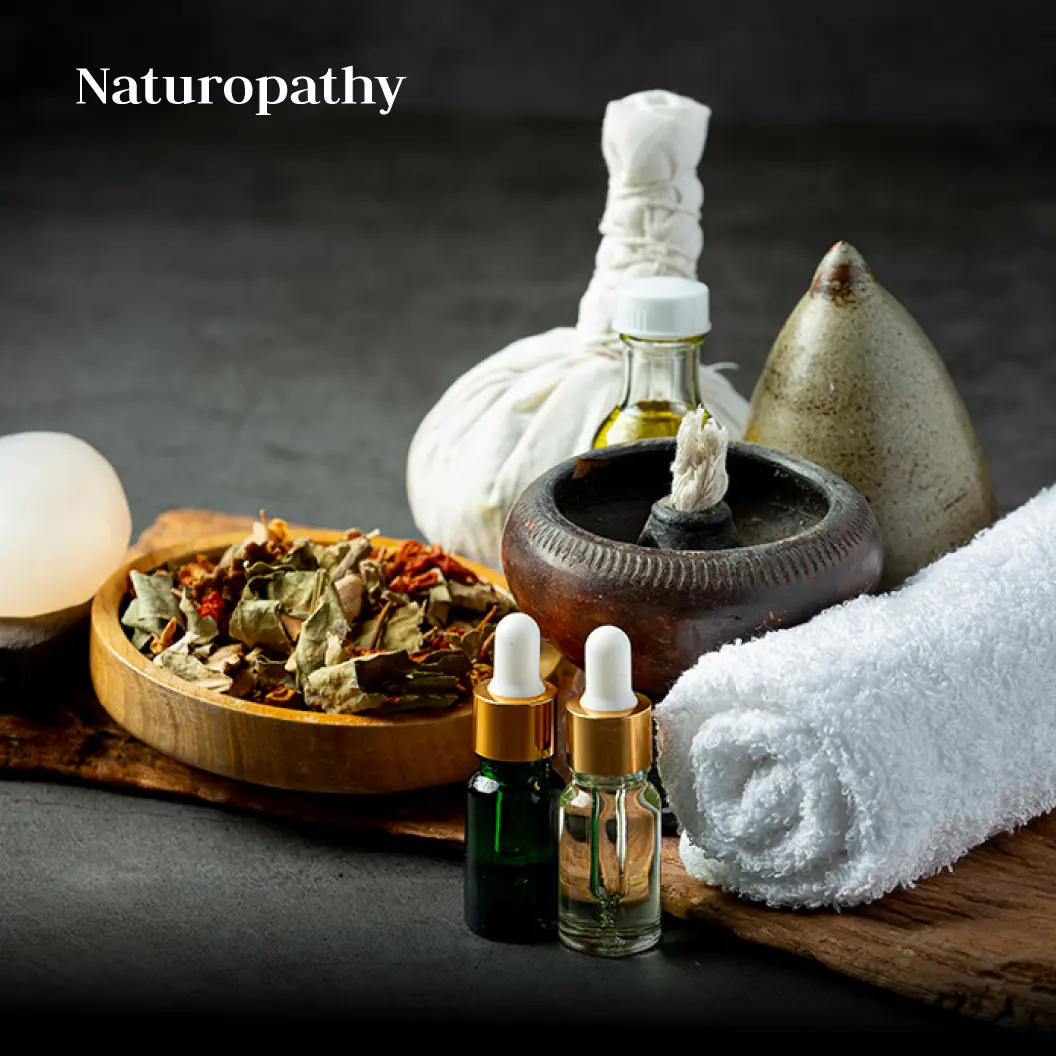
Naturopathy complements Ayurveda by focusing on natural treatments that align the body with its inherent healing abilities. Aarogyamantra Integrated Healing incorporates naturopathy into knee pain treatment through methods such as:
- Hydrotherapy: Using water at various temperatures to reduce inflammation, stiffness and swelling in the joints, hydrotherapy involves warm and cold water applications that enhance circulation and relieve pain. Cold compresses are effective for reducing inflammation, while warm treatments help improve flexibility and ease stiffness.
- Mud Therapy: Mud packs, made from mineral-rich natural soil, are applied to the affected area to reduce swelling and alleviate pain. Mud therapy works by drawing out toxins, reducing inflammation and soothing aggravated doshas, particularly Vata and Pitta. The cooling and soothing nature of mud therapy offers immediate relief from discomfort and regular sessions can help in managing chronic knee pain effectively.
The Benefits of Ayurvedic and Naturopathic Knee Pain Treatment
The combination of Ayurveda and naturopathy offers several distinct advantages over conventional treatments. Some of the key benefits include:
- Holistic Healing: Ayurveda and naturopathy together don’t just focus on pain relief but aim to heal the body at multiple levels—physical, emotional and mental.
- Natural Remedies: The treatments are based on natural therapies, reducing the risk of side effects associated with synthetic drugs.
- Personalized Care: Treatments are customized according to an individual’s unique constitution, ensuring that therapies are effective and suited to their specific needs.
- Long-Term Relief: By addressing the root cause of knee pain, Ayurveda and naturopathy offer long-term solutions rather than temporary symptom management.
Ayurveda, combined with naturopathic approaches, offers a comprehensive and natural path for treating knee pain, targeting the underlying causes rather than just the symptoms. Aarogyamantra Integrated Healing blends ancient Ayurvedic wisdom with modern naturopathic therapies, providing a holistic solution for knee pain. By detoxifying the body, balancing doshas, utilizing naturopathic treatments and promoting a healthy lifestyle, this approach offers sustainable and effective relief for individuals suffering from knee pain.
For those seeking a natural, holistic alternative to conventional treatments, Ayurvedic knee pain therapy at Aarogyamantra Integrated Healing, enhanced by Ayurveda, Naturopathy and Yoga, is a path to wellness, mobility and long-term health.